
PCOS Officially Has a New Name: PMOS

What the Shift to Polyendocrine Metabolic Ovarian Syndrome Means for Patients
By now you may have seen it online: PCOS or Polycystic Ovary Syndrome officially has a new name.
As of May 12, 2026, PCOS is now called Polyendocrine Metabolic Ovarian Syndrome (PMOS). The rename was published in The Lancet and presented at the European Congress of Endocrinology after an 11-year global consensus process involving clinicians, researchers, and patient advocacy organizations across the world.
And honestly? This change is monumental.
For years, women with PCOS have been told their symptoms were “normal,” minimized because they didn’t have cysts on ultrasound, or pushed into treatment plans that only focused on periods and fertility while completely ignoring the bigger picture.
But medicine is finally starting to catch up.
Because this condition was never just about ovaries.
Why the Name Changed
The term “polycystic ovary syndrome” never fully described what many women were actually experiencing. The “cysts” seen on ultrasound aren’t even true cysts. And plenty of women with PCOS symptoms never had polycystic ovaries at all.
Meanwhile, they were dealing with:
infertility
irregular cycles
recurrent miscarriage
weight changes
insulin resistance
fatigue
acne
hair loss
inflammation
anxiety
nervous system dysregulation
…and being told everything looked “fine.”
The new name better reflects what this condition actually is a complex hormonal and metabolic condition that affects the entire body.
PMOS Is More Than a Reproductive Condition
One of the biggest shifts with the PMOS framework is the recognition that this is not just a gynecological issue. Hormones, metabolism, insulin, inflammation, stress response, and ovarian function are all connected here.
For many women, insulin resistance plays a huge role. Higher insulin levels can stimulate the ovaries to produce more androgens like testosterone, which can contribute to:
irregular ovulation
cycle changes
acne
hair growth changes
fertility struggles
inflammation
difficulty losing weight
This is one reason so many women feel frustrated when they are told to simply “eat less and exercise more.”
Their body is dealing with something much more complex than that.
The Ultrasound Is No Longer the Main Focus
This part is huge.
For years, many women were dismissed because they didn’t have the “classic” ultrasound appearance associated with PCOS. But PMOS shifts the focus toward the full clinical picture instead of relying so heavily on imaging.
That means symptoms, hormone patterns, metabolic health, and insulin resistance matter too.
And honestly, many women knew something was wrong long before their providers did.
PMOS Doesn’t Look the Same in Everyone
Not everyone with PMOS presents the same way. Some women struggle more with fertility. Others struggle with blood sugar regulation. Some experience weight gain. Others are considered “lean PCOS.” Some have obvious androgen symptoms. Others mainly notice fatigue, inflammation, or irregular cycles.
There is no single “look.”
And that matters because so many women have spent years feeling like they didn’t fit the textbook version of the condition.
The Mental Load Is Real Too
One thing I hope this shift continues to highlight is the emotional side of PMOS. Living with chronic hormone symptoms, infertility, pregnancy loss, body changes, or feeling dismissed by providers can take a huge toll on someone mentally and emotionally.
This condition affects more than lab values.
It affects confidence. Relationships. Trust in your body. Daily energy. The nervous system. And how safe someone feels in their own body again.
So What Does Treatment Actually Look Like?
There is no one-size-fits-all approach.
But treatment is moving toward a more comprehensive model that may include:
blood sugar support
nutrition support
strength training
movement and exercise
nervous system regulation
sleep support
pelvic rehabilitation
fertility support
supplements like myo-inositol
medications when appropriate
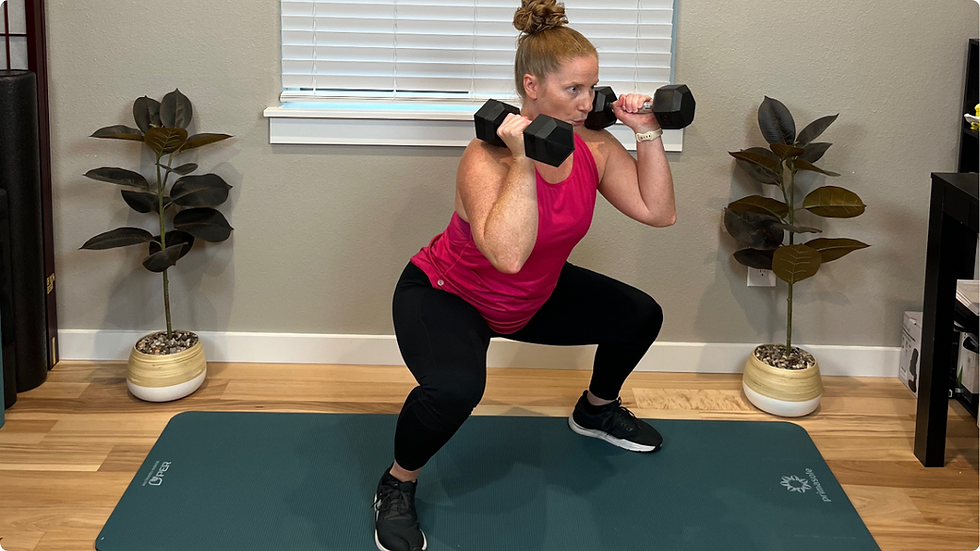
And yes, movement matters here. (This is where physical therapy plays a role in PMOS management!)
Exercise should not be viewed as punishment. Not to “earn” your health. But because exercise truly can support metabolic health, insulin sensitivity, hormone regulation, circulation, nervous system health, and overall wellbeing.

Why This Rename Feels Important
To me, this shift feels validating for so many women. Because the old name often minimized what they were experiencing.
PMOS acknowledges that this condition is bigger than ovaries alone. It recognizes the hormonal, metabolic, and whole-body impact that patients have been living with all along.
And if you’ve spent years feeling dismissed because your labs looked “normal” or your ultrasound didn’t fit the textbook picture…
🤍Your symptoms were always real. 🤍
Navigating womanhood and it’s not something you should have to do alone. I work with women across many seasons, including pregnancy, postpartum, pregnancy loss, infertility, trying to conceive, and those living with hypermobility or Ehlers-Danlos Syndrome. My approach blends education, movement, and individualized care so you feel informed, supported, and confident in your body again. If this post resonated with you, feel free to share it with someone who might need it. With advanced training in women’s health, pregnancy and postpartum fitness, and hypermobility-informed care, I help answer the questions that are often dismissed or left unanswered and guide women toward movement that truly meets them where they are.
Thanks!
-Stay Strong.
Jessica Shiyomura, PT, DPT
Enhanced Physical Therapy & Wellness


Comments